Advanced Technology for Maximum Protection
We equip our shelters with TEMET technology. This enables us to offer solutions at the highest level, combining safety, reliability and precise workmanship without compromise.
(1/3)
CBRN Filtration and Ventilation Systems
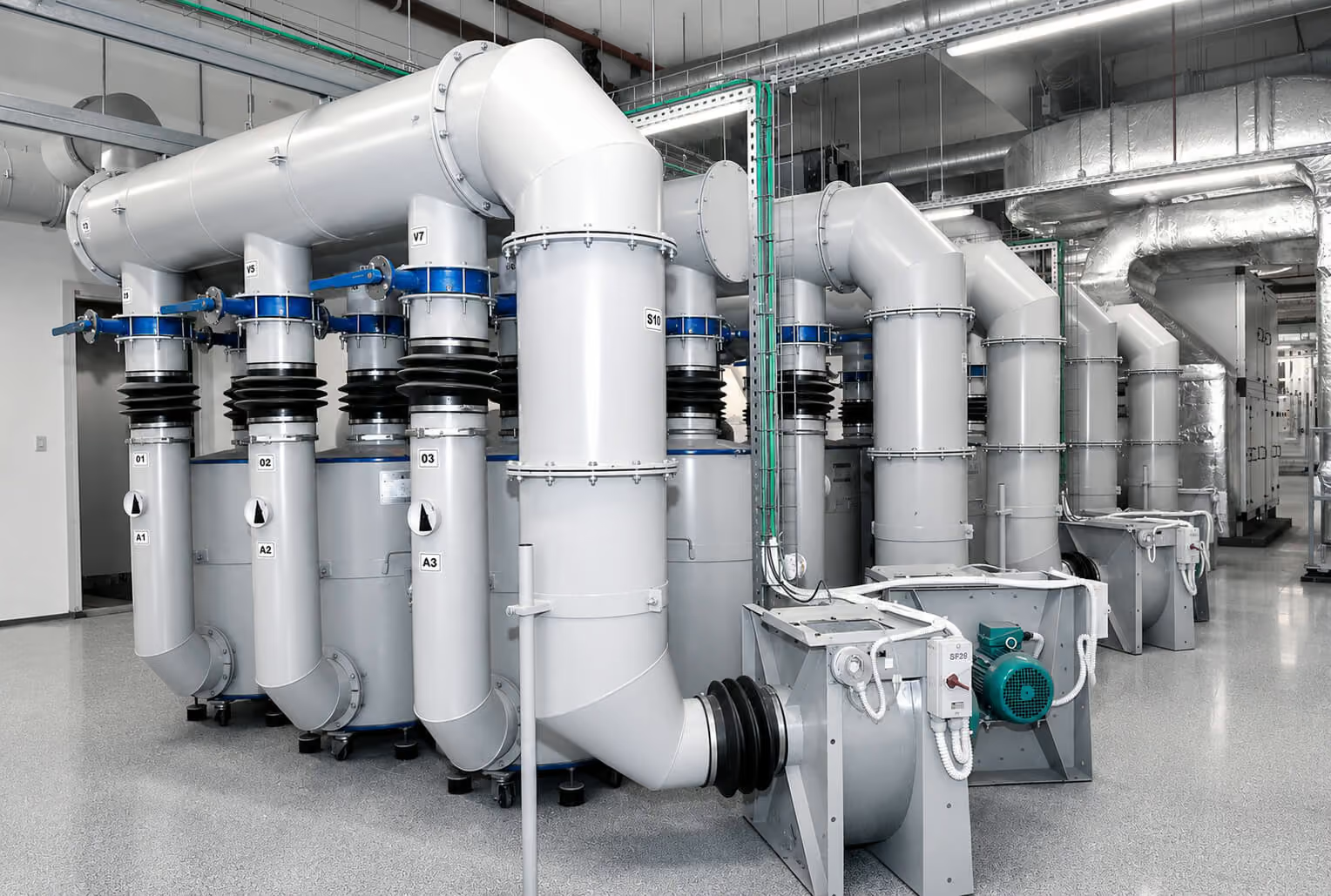
CBRN filtration systems protect against harmful airborne contaminants such as gases, vapours and aerosols. These may be released during extraordinary events – from natural disasters and industrial accidents to deliberate attacks, sabotage or armed conflict.
Threats can take many forms. Alongside chemical weapons, toxic industrial chemicals also pose a risk – for example in an attack on a chemical plant, nuclear power station or petrochemical facility. NATO therefore lists more than 100,000 toxic industrial chemicals.
Temet filtration systems provide an exceptionally broad solution and meet or exceed numerous standards. Thousands of these filtration units are installed in civil defence shelters, government and defence facilities, industrial plants and private shelters.

CBRN Filtration and Ventilation Unit
The ESL-150 CBRN filtration unit is used in CBRN-protected civil defence and military shelters for highly efficient filtration of radioactive fallout and biological and chemical warfare agents. The ESL-150 unit can also be used in CBRN-protected laboratories and field hospitals. It is installed directly in the wall to save floor space.
The ESL-150 CBRN unit includes the following components: a blast valve (PV-1) with a gas-tight shut-off device and pre-filter, a CBRN filter (ES-150), an SP-1 fan with electric and manual operation, mounted with seismic protection, an airflow meter, a silencer and emergency lighting.
The unit provides an airflow of 150 m³/h of filtered CBRN air and a bypass airflow of 612 m³/h in electric operation and 486 m³/h in manual operation.

High-Capacity CBRN Filtration and Ventilation
TEMET CBRN filtration systems generally include the following principal components: an ESIS pre-filter for capturing dust and impurities, an ES CBRN filter for removing contaminants from the air, a fan with manual or generator backup in larger systems, gas-tight ducting, KS gas-tight shut-off valves, shock absorbers, measuring instruments and preheating in cold environments. All these components are designed to work together to create a safe and reliable environment during emergency situations.
Regenerative Carbon Dioxide (CO₂) Removal Unit
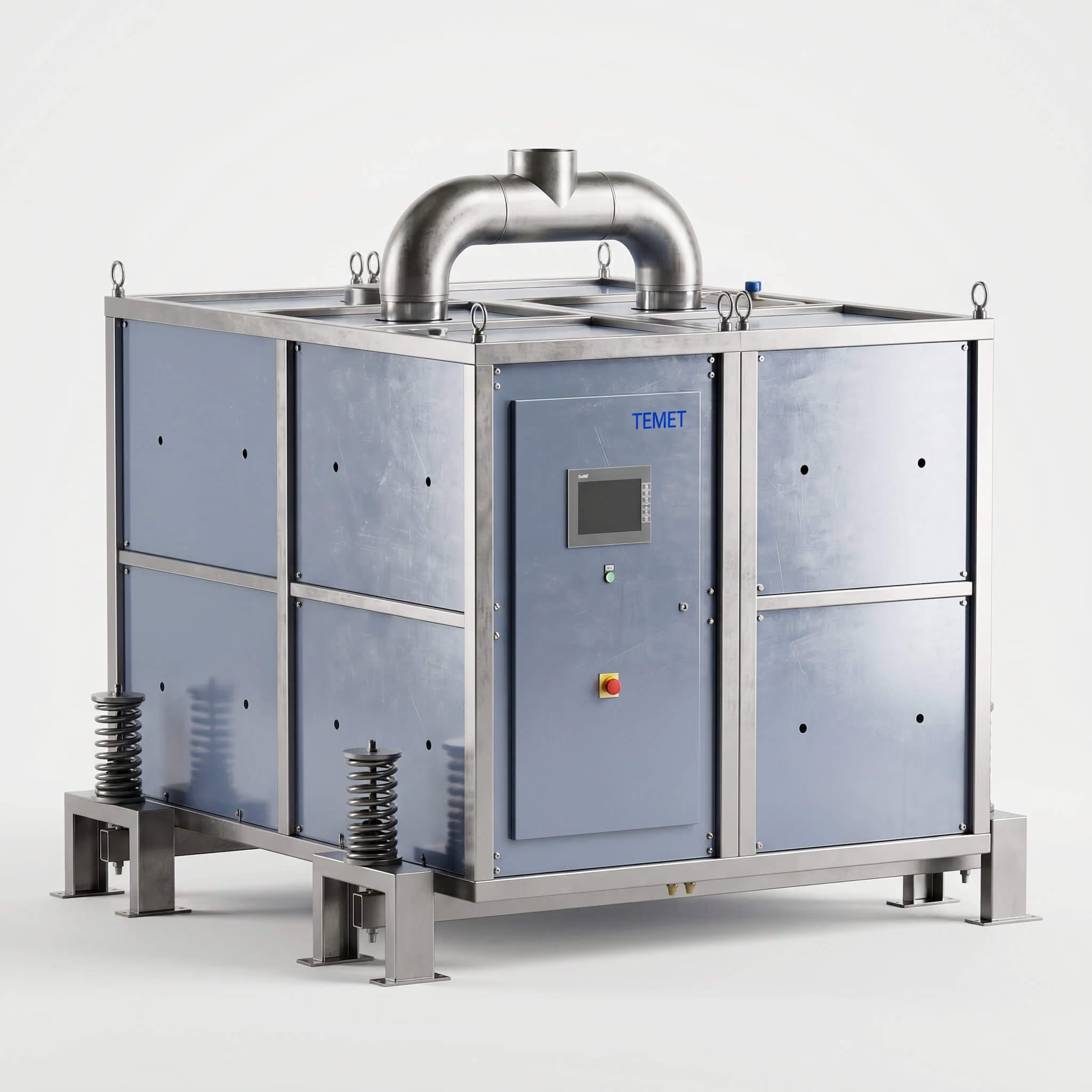
When a shelter is sealed without a supply of fresh air, carbon dioxide concentrations can quickly reach dangerous levels. TEMET’s regenerative CO₂ removal system, the only one of its kind in the world, ensures a safe internal environment even in sealed mode and is designed for long-term operation in gas-tight facilities. The fully automatic solution operates in two alternating trains, can be integrated into a BMS and, where required, supplemented with an oxygen supply system.
(2/3)
Valves
Valves are an important part of the shelter’s protection and ventilation system. They maintain the correct air pressure inside the space, enable safe air exchange and protect the interior from the effects of blast waves. They therefore contribute to the stable and reliable operation of the shelter both in normal operation and during emergencies. The valves are tested and certified for compliance with the relevant Israeli, Singaporean and Swiss standards.
ESV Blast
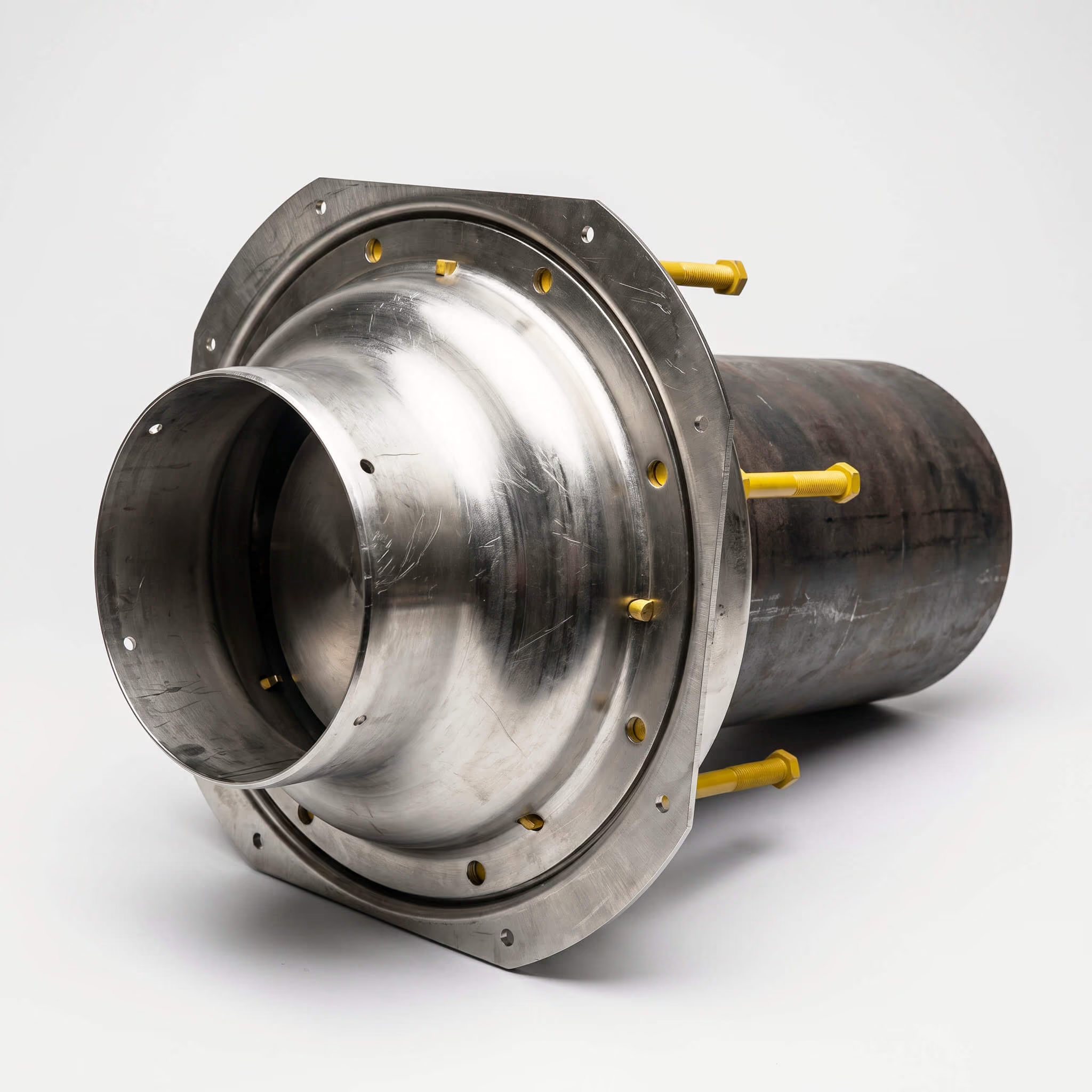
TEMET ESV series blast valves are used as air intake or exhaust valves in civil defence shelters and operational shelters. ESV valves are double-acting, self-acting valves.
They are typically used in specialised applications where a high level of protection is required against the effects of a blast wave in both its positive- and negative-pressure phases. The ingress of a blast wave into a protected space can seriously endanger people and equipment inside.
PSV Series Blast Valves
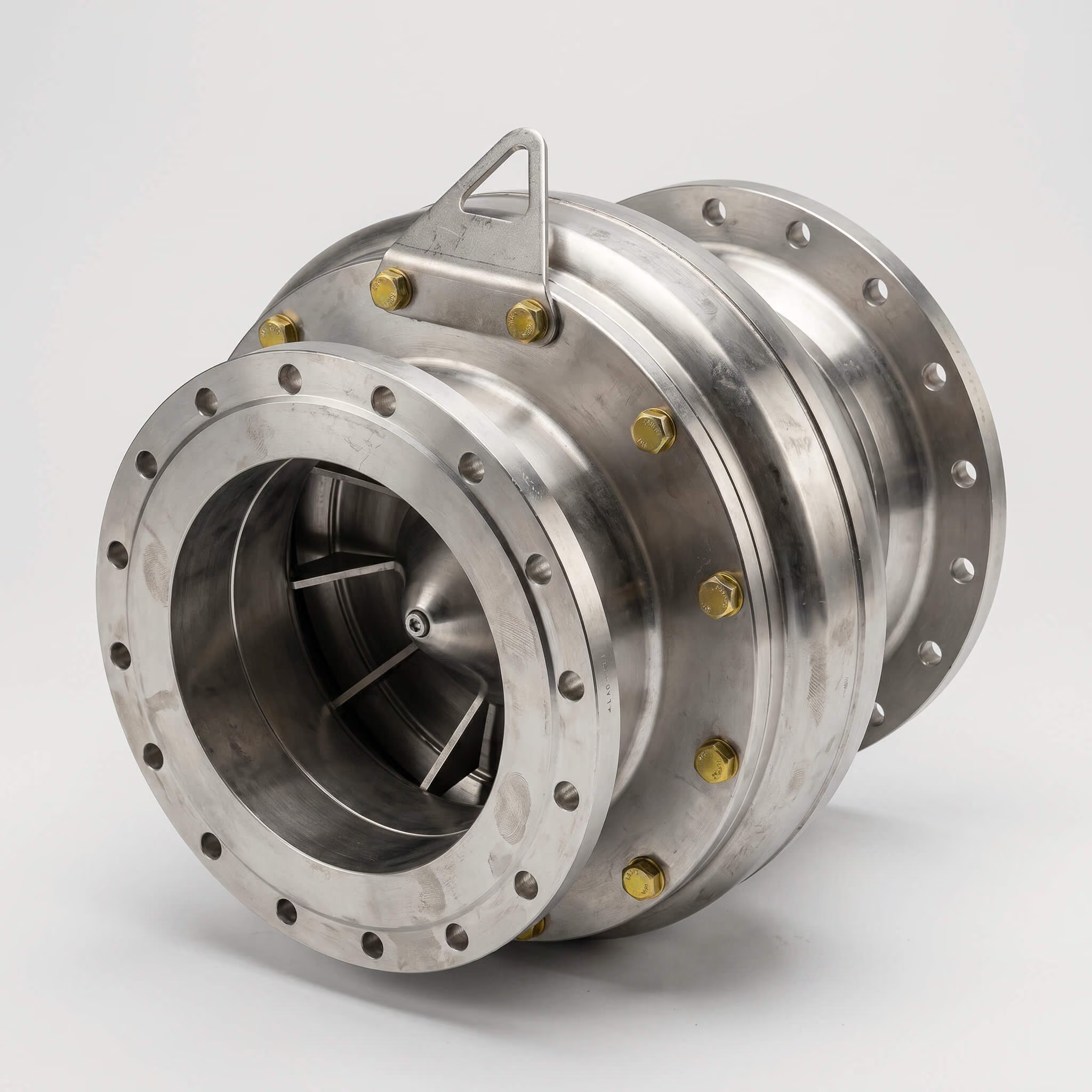
PSV series blast valves are designed to provide maximum blast-wave protection while maintaining very high airflow. They are used as air intake and exhaust valves in civil defence shelters, government shelters and specialised applications where a high level of protection against the destructive effects of a blast wave is required.
PSV series valves are specifically engineered for high airflow capacity, helping to minimise the wall space required.
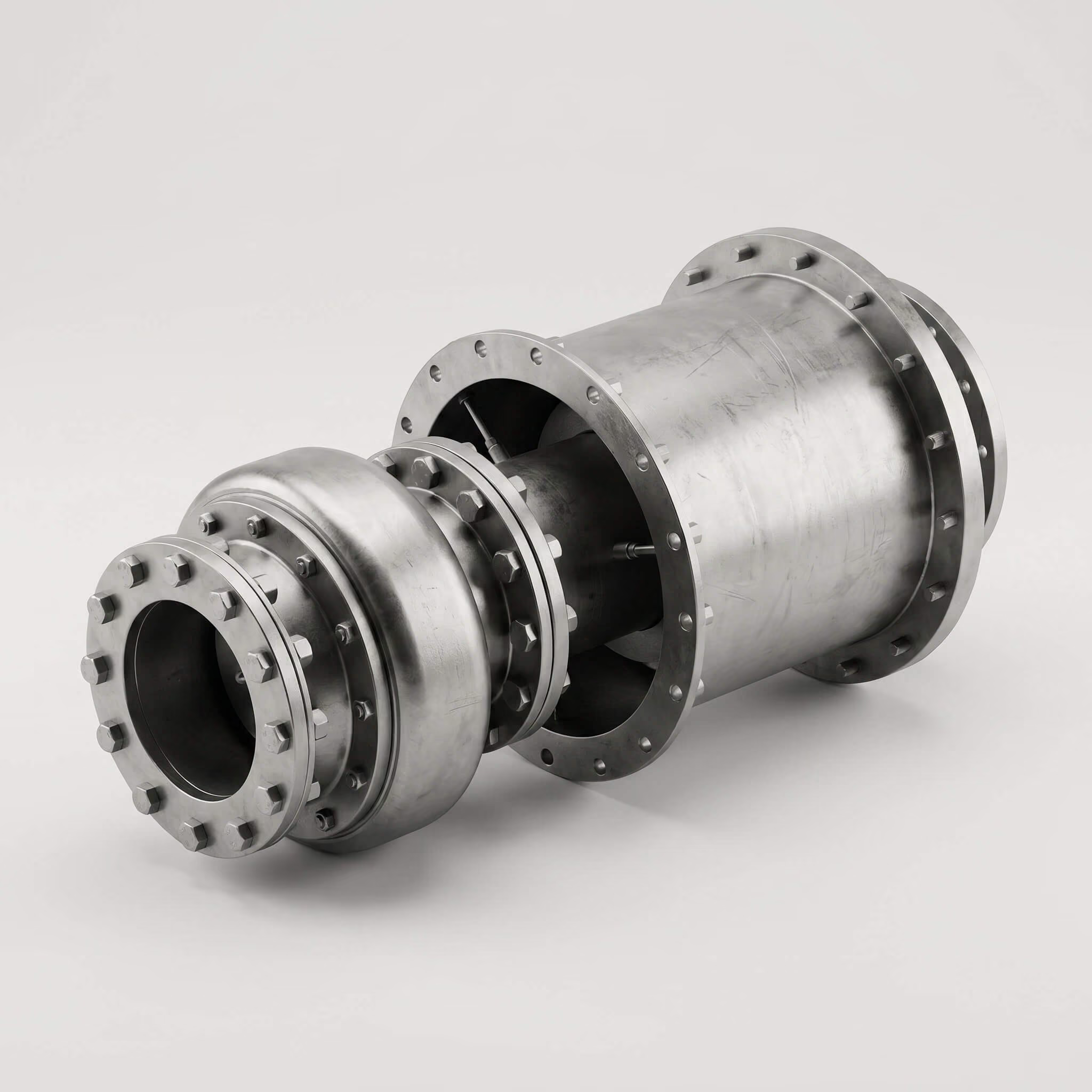
PVD Series Exhaust Blast Valves
Blast valves are used to protect the exhaust piping of generators and internal combustion engines in civil defence shelters and government shelters. TEMET hot exhaust blast valves are designed for operation at exhaust gas temperatures of up to 650 °C. Special LP PP wall sleeves are also typically installed with PVD valves to protect the concrete structure against damage caused by high exhaust gas temperatures.
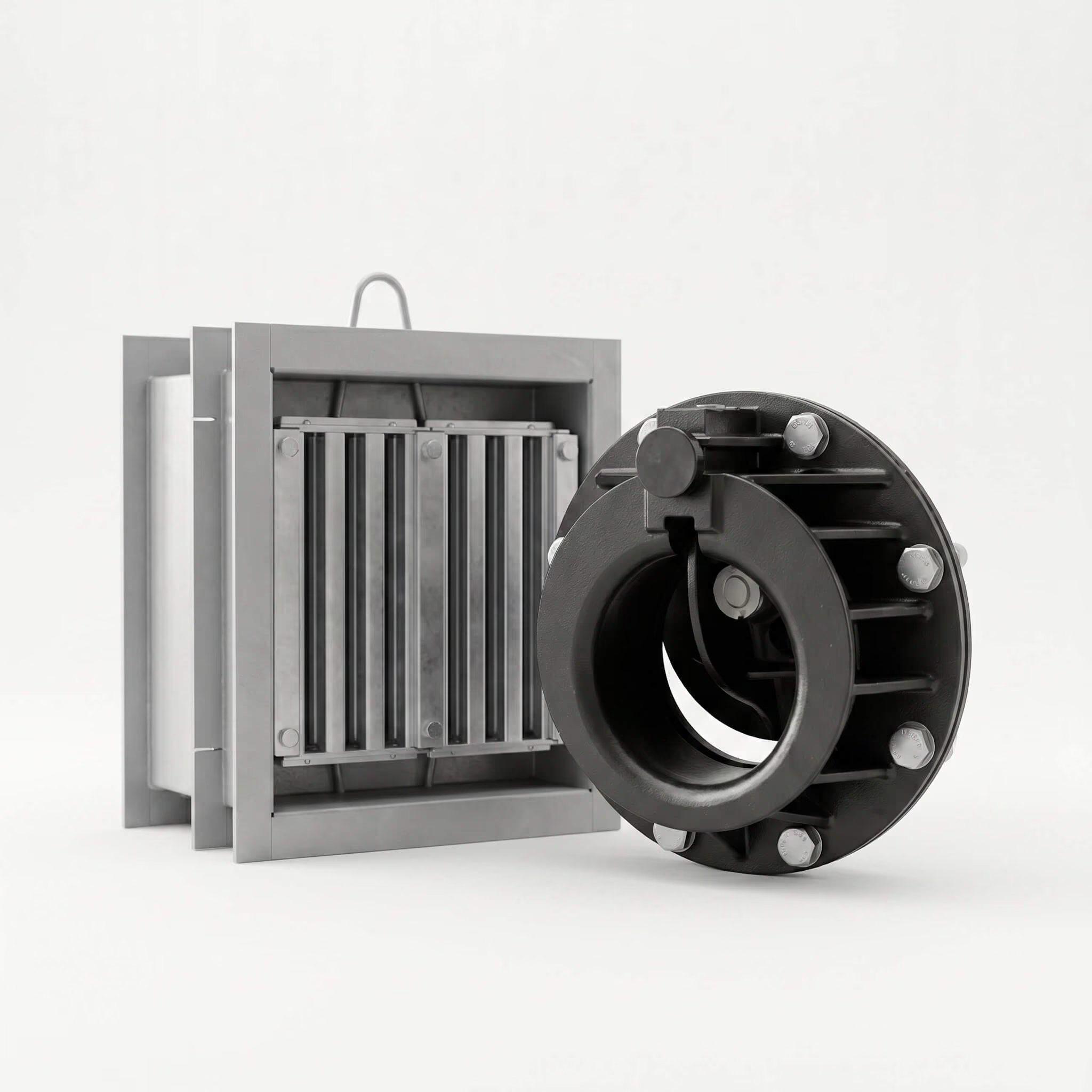
YV Overpressure Valves
Overpressure valves are designed to regulate or restrict exhaust air discharge and to create and maintain the required positive pressure inside the shelter. Positive pressure inside the shelter is an essential function because it prevents toxic substances from entering the protected space. Where toxic chemicals or gases are present outside the shelter, sufficient positive pressure must be maintained inside to prevent their ingress. Without positive pressure, even gusts of wind could force contaminants into the shelter. TEMET overpressure valves are corrosion-resistant and have been designed and tested to retain full functionality after repeated exposure to blast waves and across a wide temperature range.
(3/3)
Additional Products
Additional products extend the shelter’s protective system with technology for water, access points, decontamination, energy, communications and precise measurement. They ensure functional operation, safe movement of people and the shelter’s long-term readiness, including in emergency situations.
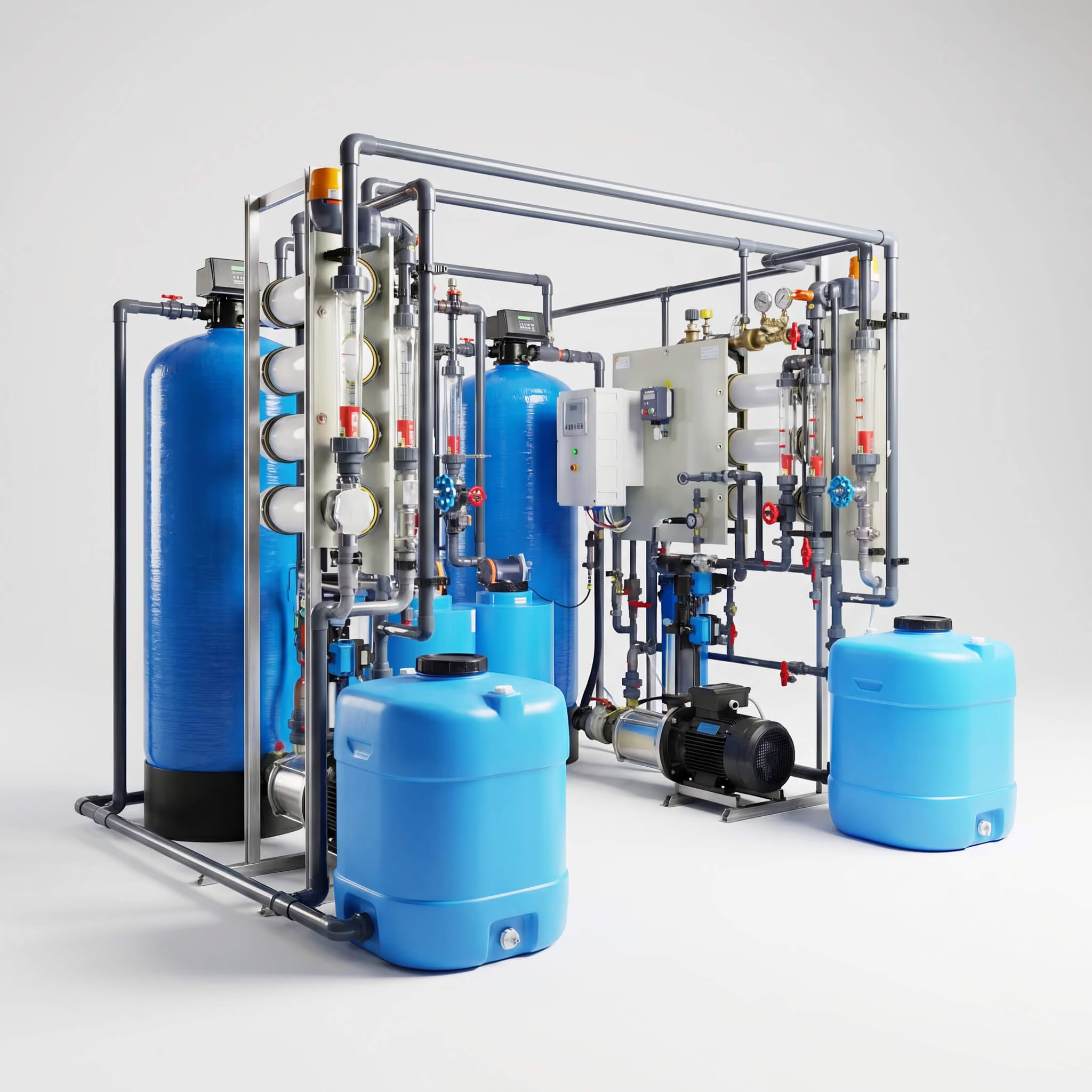
Water Filtration
Our stationary water treatment plant provides effective removal of radionuclides, biological and chemical warfare agents, pharmaceutical residues, microplastics, bacteria and viruses. Water treated by the stationary unit can even achieve a higher quality than infant water sold by standard suppliers.
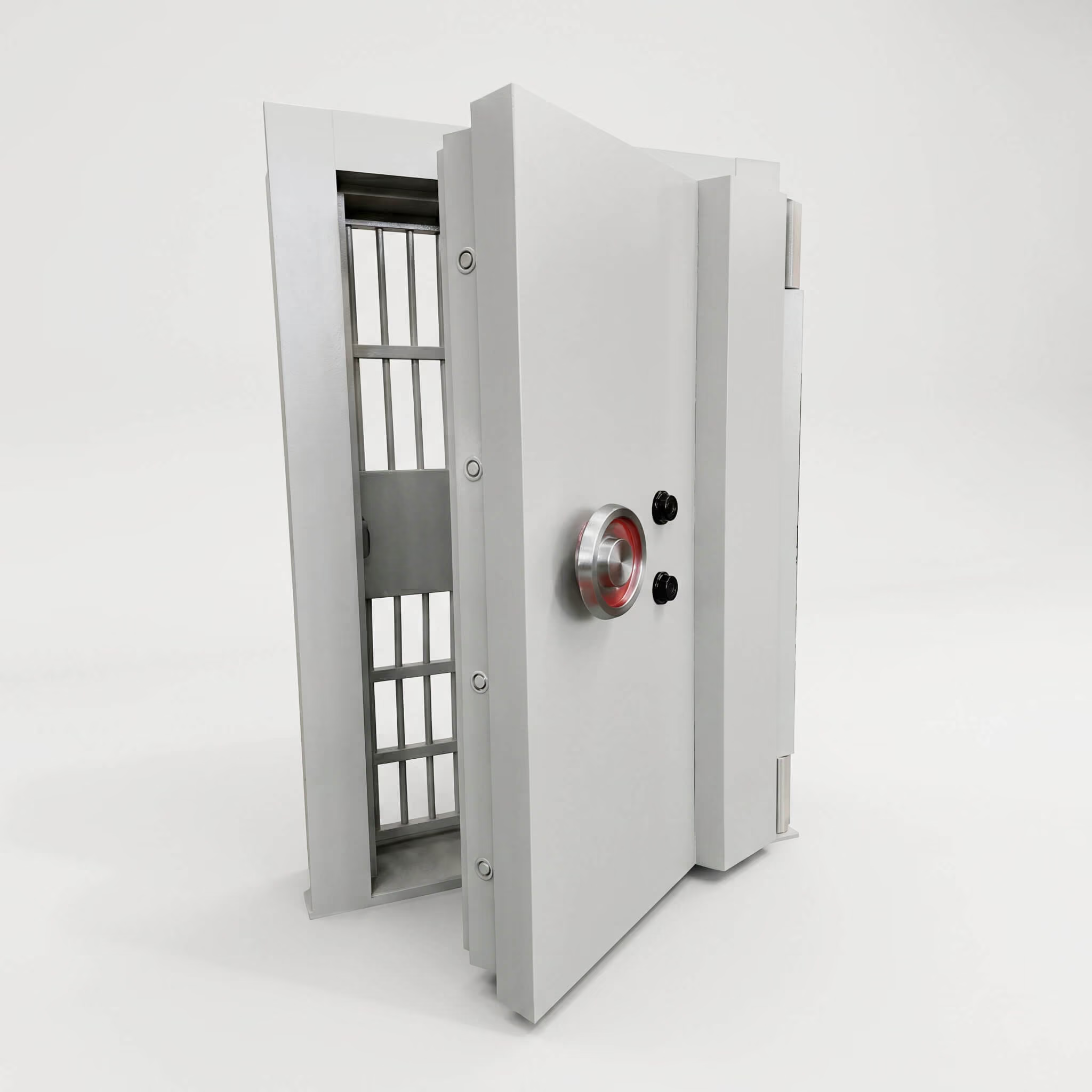
Doors and hatches form a key part of the shelter’s protective system. Blast-resistant and ballistic doors are among the most important elements of any civil shelter or other functional protective structure.
They securely seal the space and protect the interior from the effects of blast waves, explosions, fragments, gunfire, and the ingress of toxic gases and other hazardous substances.
All doors are designed for simplicity, reliability and minimal maintenance. The products are tested and certified in accordance with the relevant standards.
A detailed overview of individual door and hatch types is available on the FortiDoor website: www.fortidoor.comwww.fortidoor.com
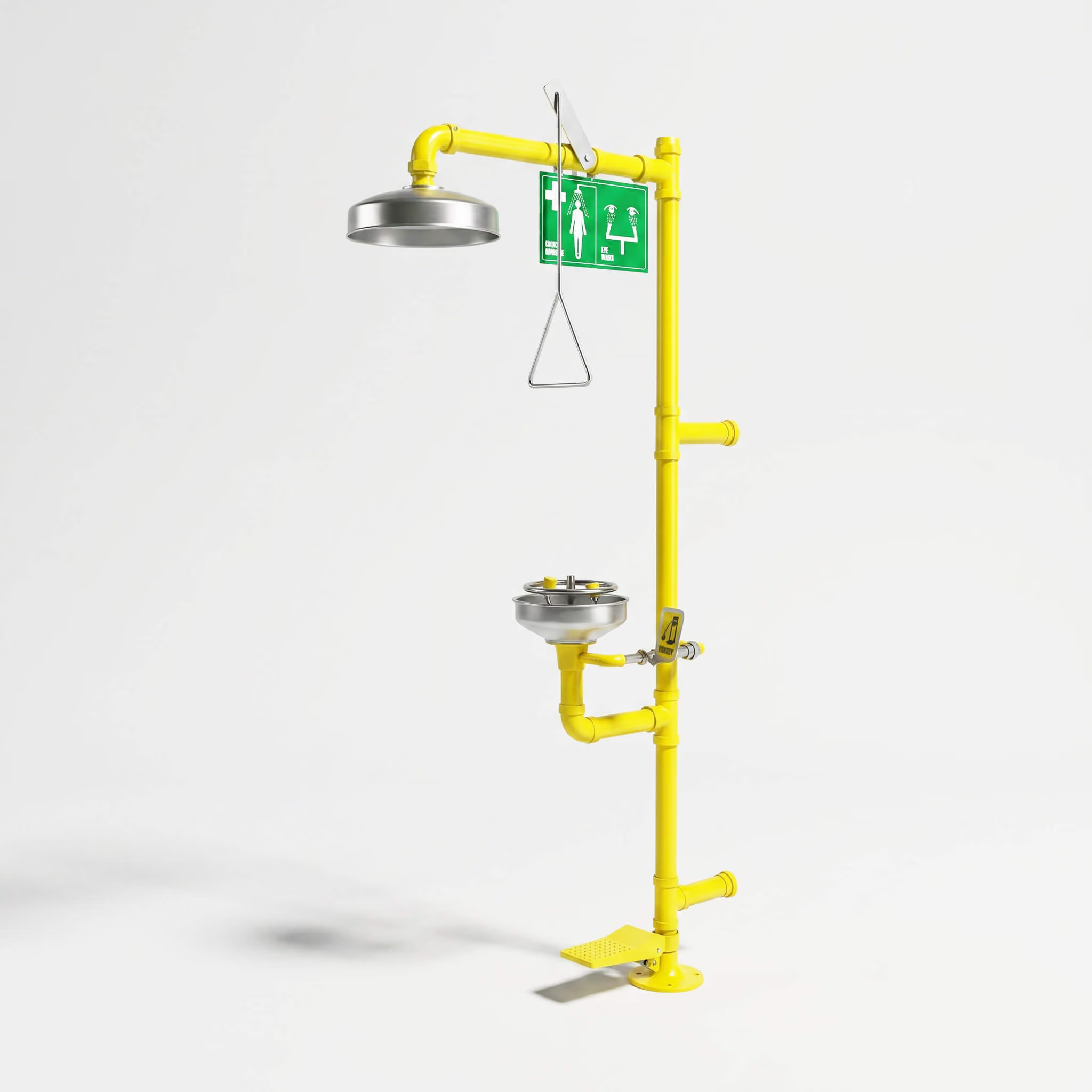
Decontamination Area
Every shelter is equipped with a decontamination area to remove radioactive substances from people before they enter the living area of the shelter.
The purpose of biological decontamination is to destroy pathogenic agents, limit their spread and prevent secondary contamination.
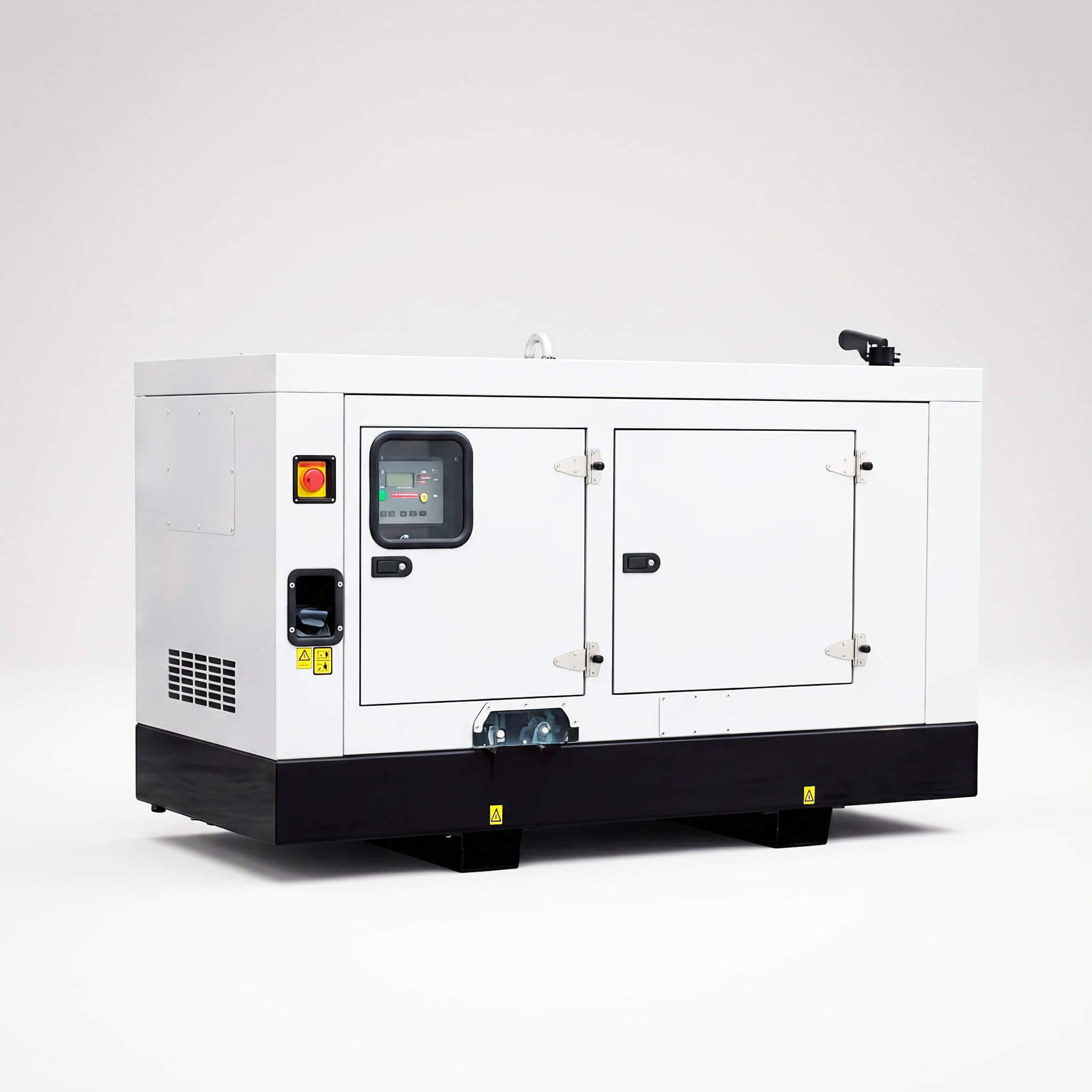
Backup Power Sources
Every shelter is equipped with an independent electrical system. If the electricity supply from the external grid is interrupted, alternative power is activated automatically. In this way, all equipment in the shelter remains operational. The technical room in every shelter is sound-insulated.
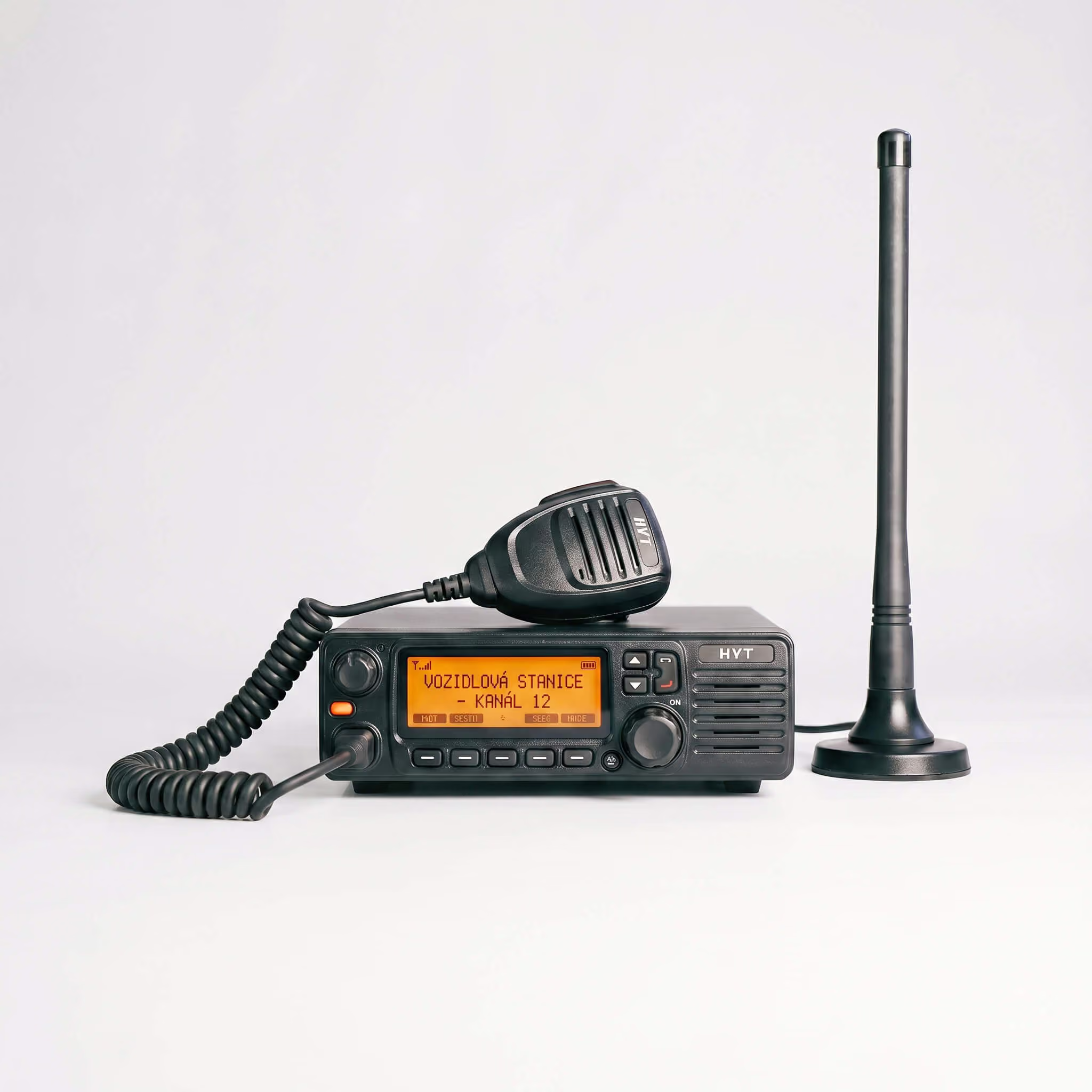
Radio Communications and Measuring Instruments
Radio communications and measuring equipment provide contact with the outside world as well as continuous monitoring of conditions inside and around the shelter. They enable communication during normal operation and crisis situations, monitoring of air quality and early detection of hazardous substances or elevated radiation. They thereby support safe shelter operation, better situational awareness and rapid response to potential risks.
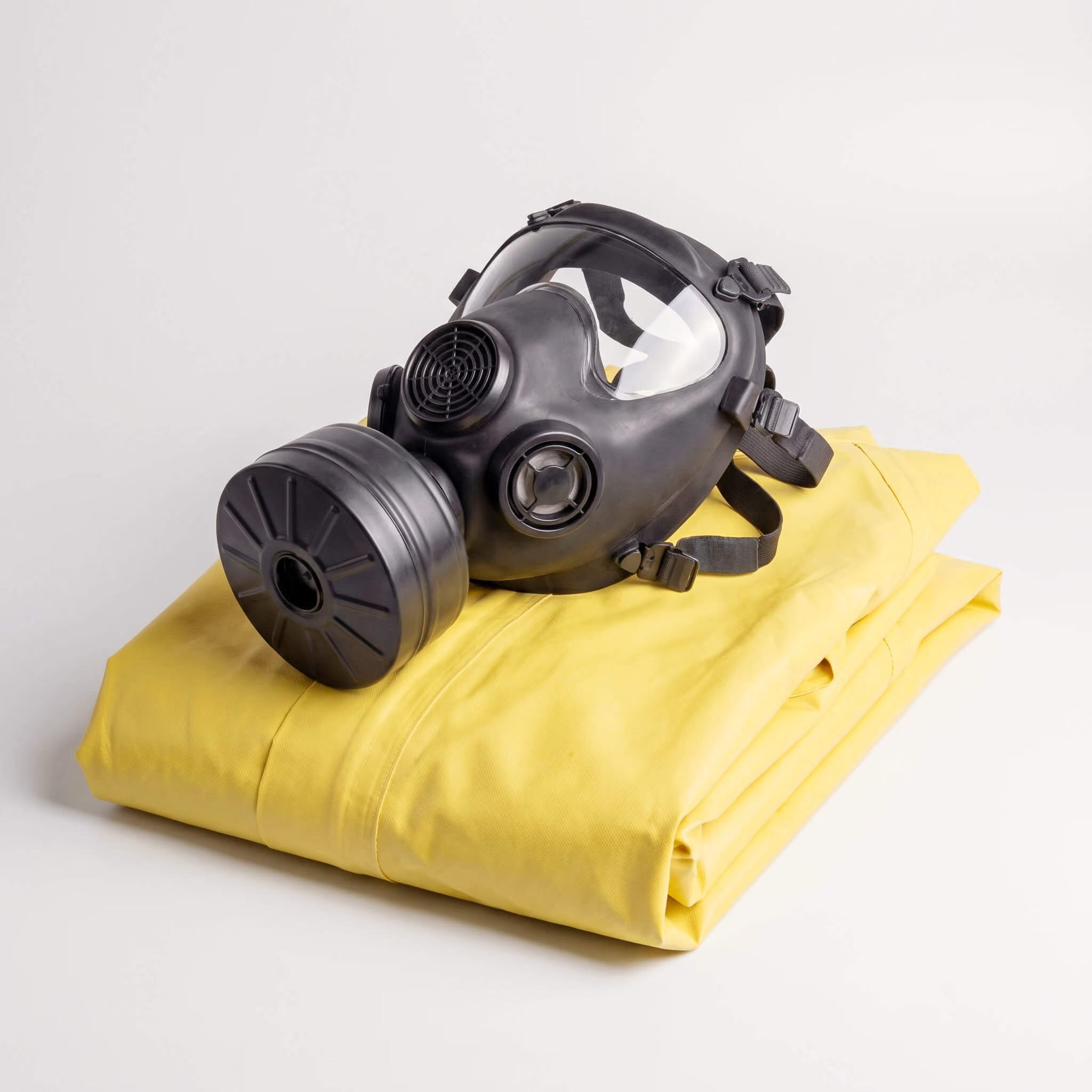
Personal Protective Equipment
The solution also includes personal equipment for individuals and entire households, supplementing the shelter’s technical facilities with practical means of protection, communication and preparedness for emergencies. These include, in particular, masks, filters, chemical protective suits and gas detectors.
The supply may include, for example:
Gas masks for adults and children, including replacement filters
Escape hoods
Half masks
Breathing apparatus
Oxygen resuscitation devices
Chemical protective suits
Radiation detection instruments
Gas detectors
Portable radios
Decontamination products and agents
A complete tool kit for basic repairs and interventions